The idea of a river‑only day in Bangkok
When I first heard the question “Can I cross Bangkok using only river boats before sunset?” I thought it sounded like a challenge for a traveler who loves the slow rhythm of water. Bangkok is known for its bustling streets and endless traffic, but the city also hides a quiet, ancient artery: the Chao Phraya and the smaller canals that branch off it. The idea of spending an entire day moving from one side of the city to the other without stepping onto a road felt both romantic and practical. It forced me to think about the city from a different angle, literally from the water.
The first thing I did was to picture the river as a ribbon that threads through neighborhoods, markets, temples and modern high‑rise towers. I imagined stepping off a pier in the historic district, drifting past ornate spires, then slipping into a narrow khlong where life moves at the pace of a paddle stroke. The river is a living network that many locals rely on for commuting, not just a tourist attraction. I wanted to experience that daily rhythm, to see how the city breathes when you watch it glide by from a wooden boat.
The river network and the boats that serve it
Bangkok’s waterways are a mixture of the wide Chao Phraya, which runs north‑south through the center of the city, and a maze of khlongs that wind through residential areas. The river is fed by tributaries that link the city’s outskirts to its core. On the main river you will find larger passenger ferries that shuttle people between major piers. These boats are often open‑air, with rows of wooden benches and a simple roof for shade. They move at a steady speed, allowing passengers to enjoy the view without the rush of a car.
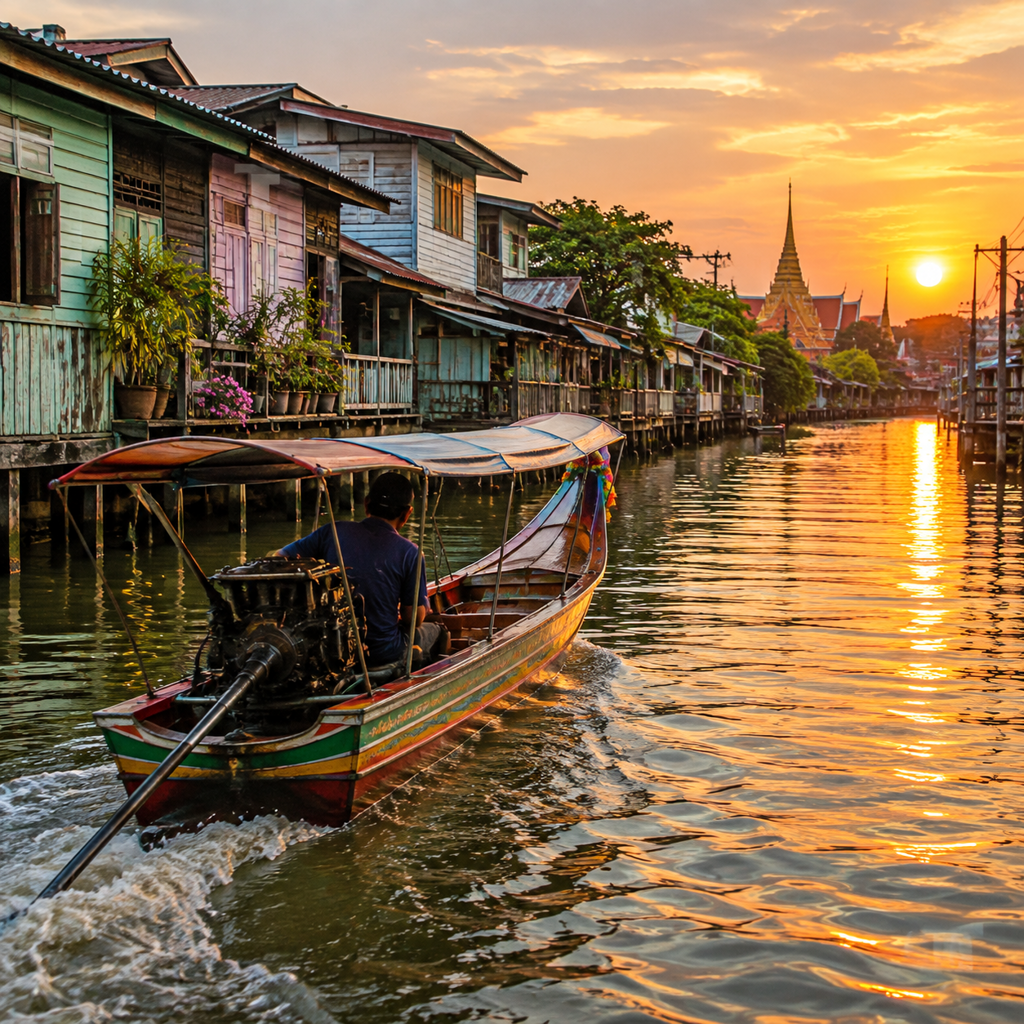
The khlongs are different. The boats that ply these narrow canals are smaller, usually flat‑bottomed long‑tail vessels that can slip under low bridges. Their engines are quiet compared to the roar of city traffic, and the pilots navigate with a practiced hand, reading the water’s subtle currents. The boats stop at tiny piers that are sometimes just a wooden plank jutting out over the water. Here, the rhythm of embarkation and disembarkation is unhurried, giving travelers a chance to watch locals unload groceries, monks receiving alms, or children playing on the banks.
What makes the system work for a river‑only day is the continuity of service. You can hop from a larger ferry to a smaller khlong boat without leaving the water. The transition feels natural, like moving from a wide highway to a quiet lane. The boats are not tourist‑only; they are part of the city’s daily transport, which means the schedules are reliable enough for a traveler to plan a route that ends before the sun dips below the horizon.
Planning the route before the sun goes down
The key to a successful river crossing is planning. I started by looking at a simple map of the piers along the Chao Phraya. The river runs roughly from the north to the south of the city, with major stops at the historic district, the bustling commercial area, and the newer residential zones. From there I identified which khlongs connect to the outer neighborhoods. The goal was to start in a place where the river is wide enough for a comfortable ferry ride, then move into the narrower canals as the day progressed.
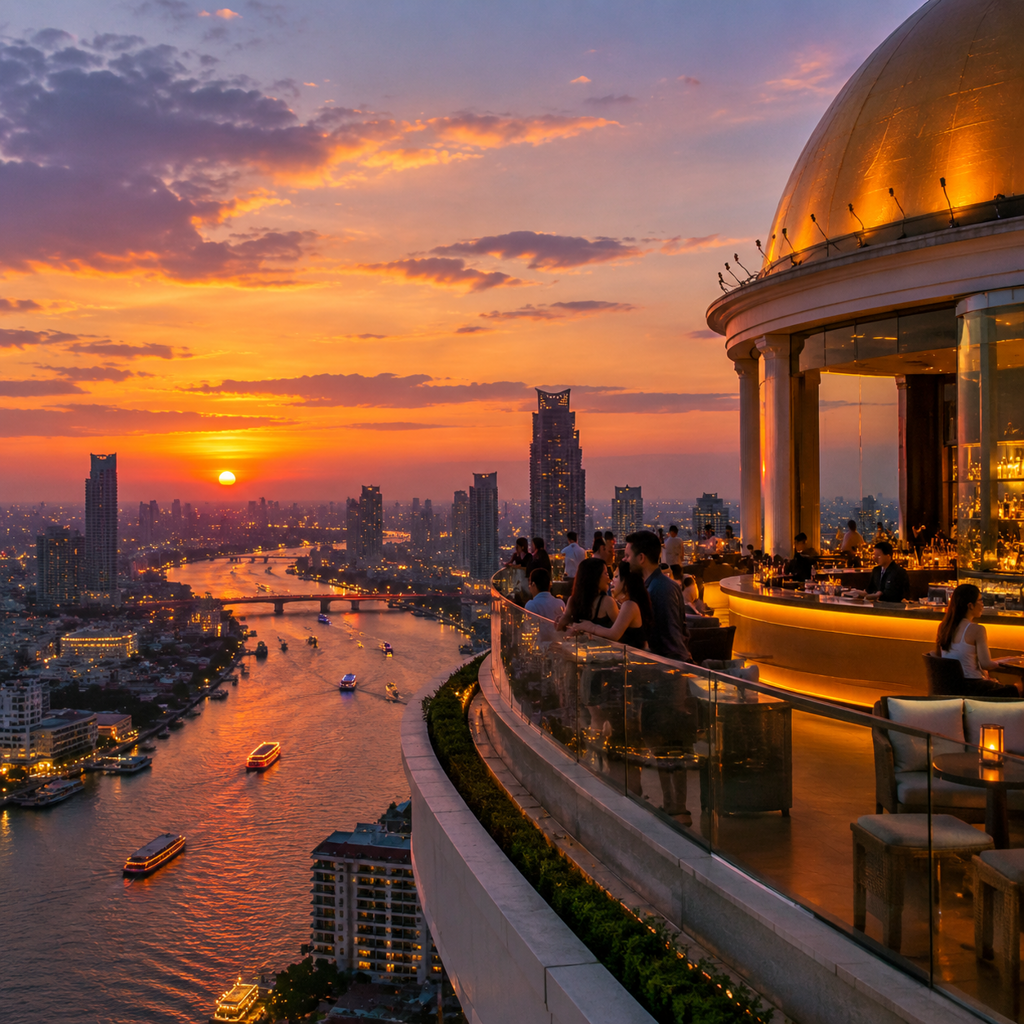
I chose a start point in the old part of the city, where the riverbank is lined with temples and the air smells of incense and street food. The first leg of the journey would be a ferry that would take me south, passing the riverfront markets. From the next pier I would board a khlong boat that would head east, winding through a residential area where the river’s banks are dotted with wooden houses and floating gardens. The final stretch would be a longer ferry ride that would bring me to a pier on the opposite side of the city, where the skyline is dominated by modern towers.
Timing was essential. I wanted to leave the first pier early enough to enjoy the morning light on the water, but not so early that the boats would be crowded. I also needed to leave enough slack for the slower khlong rides, which can be affected by the level of the water and the occasional traffic of small cargo boats. By keeping the route relatively straight, moving from the wide river to a single khlong and then back to the wide river, I could watch the sun move from the east to the west without feeling rushed.
The journey: what the water showed me
The first ferry felt like stepping onto a floating sidewalk. The boat’s wooden floor was cool under my feet, and the river breeze carried the scent of jasmine from nearby stalls. As we pulled away from the pier, the city’s silhouette shifted from a dense wall of historic buildings to a softer line of modern glass. I watched the water turn from a dark olive to a bright turquoise as the sun reflected off its surface. The rhythm of the boat’s engine was steady, a low hum that matched the beat of the city’s pulse.
When the ferry reached the next pier, I transferred to a khlong boat. The change was immediate. The water narrowed, and the sound of the engine softened to a gentle purr. The boat slid under low bridges, their arches framing the sky like picture windows. Along the banks I saw people washing vegetables in the water, children splashing near the edge, and a monk collecting alms from a floating platform. The pace felt slower, almost meditative. I could hear the soft tap of a paddle against the hull as the pilot steered around a bend.
The khlong route took me through a neighborhood that many tourists never see. The houses were built on stilts, their wooden facades painted in faded pastels. Small floating markets appeared on the water, with vendors selling fresh fruit and grilled fish straight from their boats. The aroma of grilled shrimp and tamarind sauce mingled with the earthy scent of the canal water. It was a reminder that the river is a lifeline for daily sustenance, not just a transport corridor.
As the sun began to dip lower, the light turned golden, casting long shadows across the water. The final ferry ride brought me to a pier on the opposite bank, where the modern skyline glowed in the twilight. The transition from the quiet khlong back to the wide river felt like a return to the city’s mainstream, but with a new perspective. I had watched the city change from the inside out, seeing the same streets from a different angle.
Reflections and practical notes for fellow travelers
Looking back, the answer to the question is a resounding yes. It is possible to cross Bangkok using only river boats before sunset, provided you plan a route that respects the river’s natural flow and the boat schedules. The point isn’t to get from point A to point B. It’s to feel the city’s heartbeat from the water. The river offers a calm counterpoint to the chaotic streets, and the boats provide a way to see neighborhoods that are otherwise hidden behind traffic.
A few practical thoughts stayed with me. First, bring a lightweight raincoat or a large umbrella. The weather can shift quickly, and the open‑air boats leave you exposed to sudden showers. Second, carry a small bottle of water. While the boats are comfortable, the humidity can be high, especially when you are moving from the wide river into the narrow canals. Third, dress modestly. Many of the riverbanks are near temples, and respectful clothing helps you blend in and avoid unwanted attention.
Finally, allow yourself time to linger at the piers. Each stop offers a glimpse of local life: a vendor preparing a quick snack, a fisherman untangling a net, a family gathering for a meal on the deck. These moments are the true reward of a river‑only day. They turn a simple crossing into a story you will want to return to, a reminder that the best way to understand a city is sometimes to float gently through it, watching the world glide by on the quiet current of its rivers.
Take the scenic route.
There’s always more to discover.